June 17, 2025
FOR IMMEDIATE RELEASE
Connecticut CLEAR Deflection Summit Unites Law Enforcement, Public Health and Community Leaders at Stamford Police Headquarters
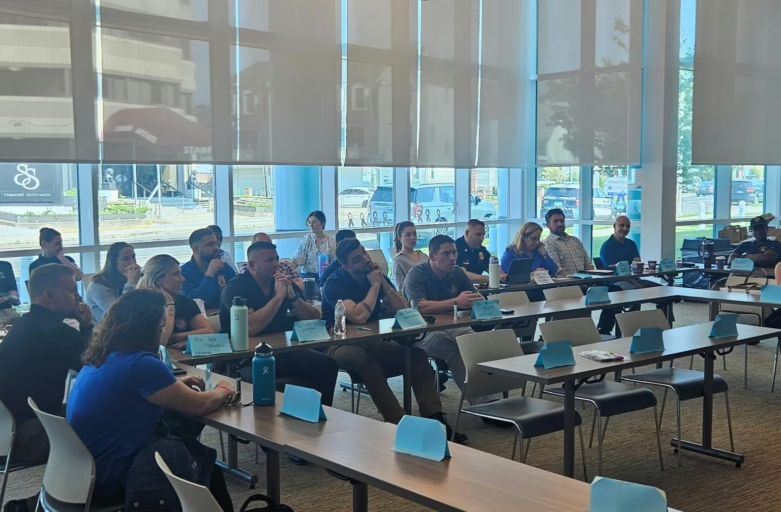
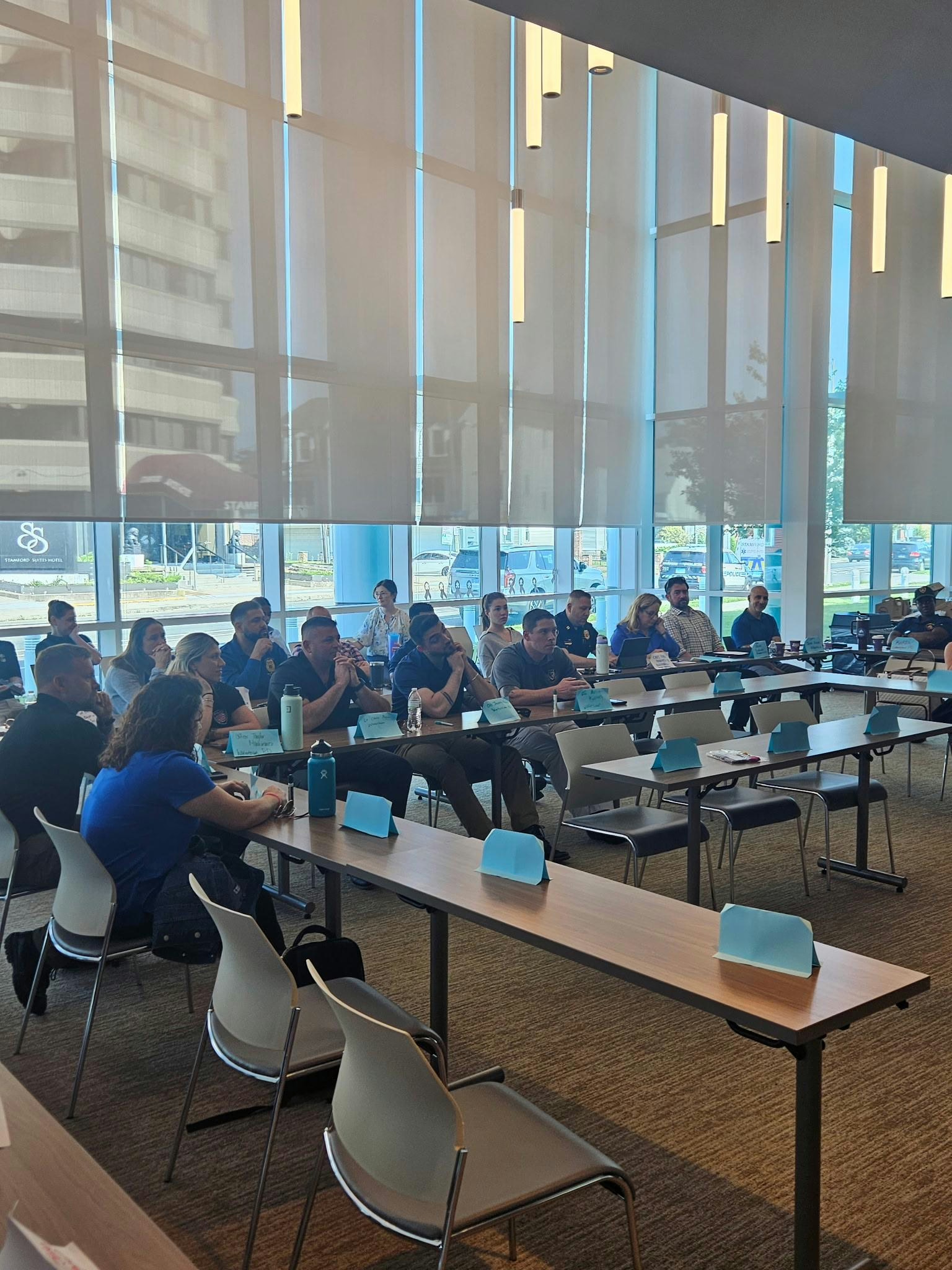
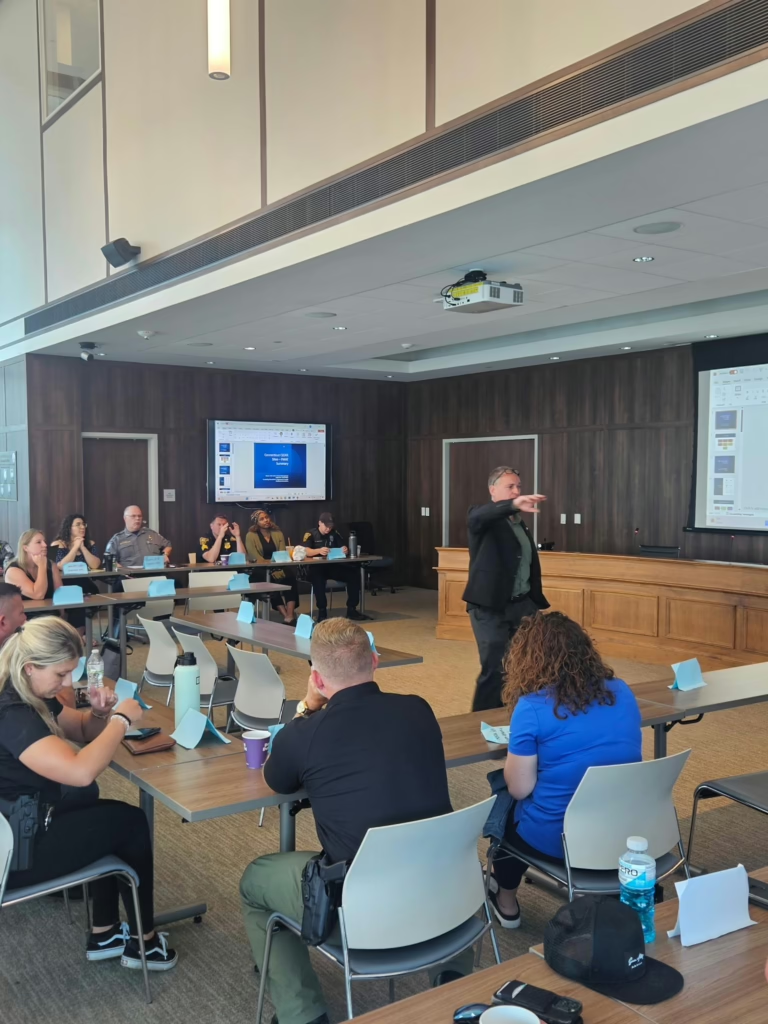
Stamford, CT – June 12, 2025 — The Connecticut, Community & Law Enforcement for Addiction Recovery (CLEAR) initiative marked a major milestone with the successful hosting of the CLEAR Deflection Summit at Stamford Police Headquarters. The event brought together more than 50 law enforcement officials, behavioral health professionals, community partners, and state leaders from across the state to accelerate strategies for deflection, overdose prevention, and community-based recovery support.
The summit highlighted the impact of CLEAR’s innovative approach—diverting individuals with substance use disorder (SUD) away from the criminal justice system and toward community-based care through law enforcement referrals and rapid outreach.
“The CLEAR initiative has transformed how we respond to addiction—from enforcement to empathy, from crisis to care,” said Lauren Pristo, Statewide CLEAR Project Manager. “This summit was a vital step in strengthening local collaborations and scaling our collective impact across Connecticut.”
“CLEAR represents a cultural shift for law enforcement—an opportunity to meet people where they are, with compassion and support instead of punishment,” said Liz Evans, CLEAR Coordinator for Fairfield CLEAR region. “It’s incredibly powerful to see officers, outreach workers, and community partners all pulling in the same direction.”
A Collaborative Blueprint for Change
Participants from seven municipalities—including Norwalk, Stamford, Greenwich, Torrington, Ridgefield, Granby, and Watertown—shared updates on their CLEAR team progress through polling and team planning exercises. While Bridgeport and Winchester/Winsted were unable to attend in person, both sites were well-represented in statewide planning and remain active contributors to the CLEAR initiative. Key outcomes included:
- Common Strengths: Strong interagency collaboration and growing community support.
- Top Challenges: Communication gaps, limited staffing, and program visibility.
- Strategic Themes for 2025-2026: Team expansion, officer and community education, increased outreach, and improved data sharing.
CLEAR Sites Lead in Overdose Fatality Reductions
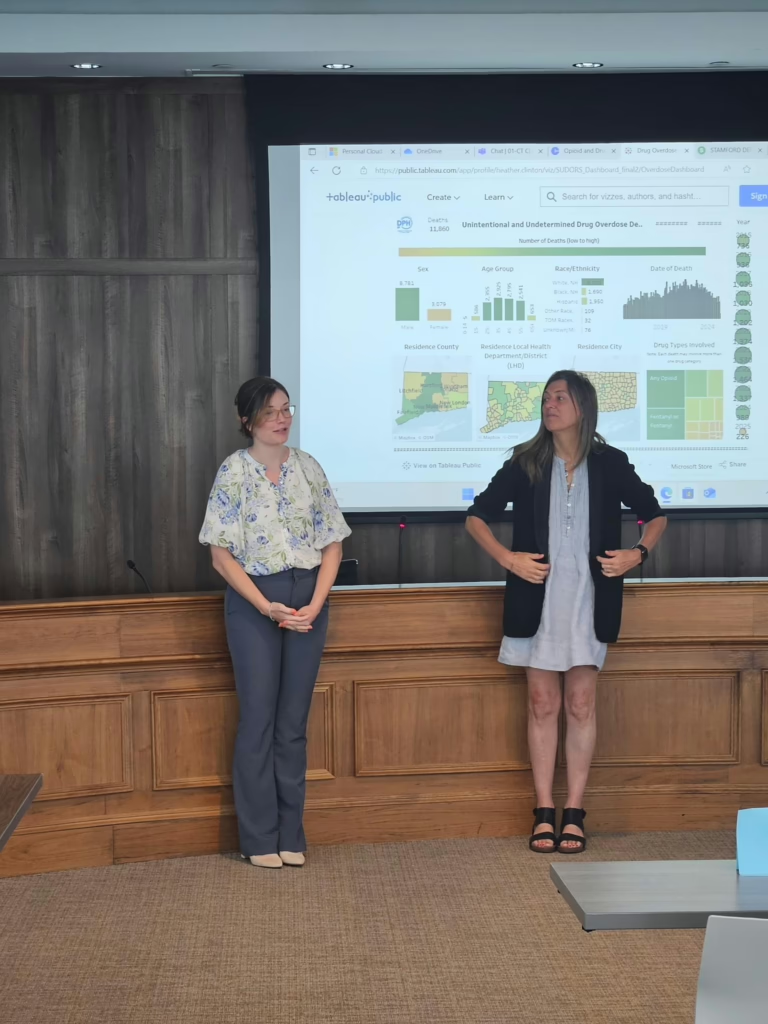
Recent data from the Connecticut Department of Public Health’s SUDORS system showed that all seven existing CLEAR municipalities met or outperformed the state average in year-over-year reductions in overdose deaths:
- Winchester/Winsted: ↓62.5%
- Stamford: ↓51.7%
- Greenwich: ↓50.0%
- Norwalk: ↓42.1%
- Torrington: ↓36.8%
- Bridgeport: ↓26.0%
- Watertown: ↓25.0%
Connecticut’s statewide average decrease was 26.5% between 2023 and 2024—the first time overdose deaths fell below 1,000 in eight years. These numbers reflect the direct, life-saving impact of proactive outreach, harm reduction, and community-based deflection led by CLEAR teams. Among the top-performing municipalities, Norwalk was noted for its robust infrastructure and follow-up systems, while Torrington and Watertown demonstrated high engagement and strategic planning for sustainability.

Bridging Law Enforcement and Public Health
The summit showcased the Sequential Intercept Model, which CLEAR uses to “intercept” individuals before they enter the criminal justice system. This proactive, trauma-informed model is designed to reduce overdose deaths and promote recovery by engaging individuals early—sometimes even before a crisis.
The CLEAR initiative is funded through the Bureau of Justice Assistance COSSUP Grant and coordinated by Connecticut’s Department of Mental Health and Addiction Services (DMHAS) in partnership with Liberation Programs (Fairfield County) and McCall Behavioral Health Network (Litchfield County).
DMHAS: Leading the Charge on Statewide Change
The Connecticut Department of Mental Health and Addiction Services (DMHAS) serves as the lead fiduciary for the CLEAR initiative. Funded by a Bureau of Justice Assistance COSSUP Grant, DMHAS oversees the program’s fiscal and strategic direction. The department works closely with two regional behavioral health partners—Liberation Programs (Fairfield County) and McCall Behavioral Health Network (Litchfield County)—to implement CLEAR’s life-saving work on the ground.
Looking Ahead
CLEAR’s expansion continues statewide, with interest from numerous additional municipalities and regions. The next steps include:
- Continued onboarding and engagement of new and potential CLEAR sites, including Newtown, Granby, Ridgefield, Monroe, Fairfield, CT State Police, CT Department of Corrections
- Implementation of *Handle With Care*, an initiative that aims to address the needs of children who are witnesses and/or victims of trauma through collaboration between public safety, schools, and community partners—and separately, to provide support and connections to grief services for families who have lost loved ones to overdose deaths.
- Enhanced data integration and outcome tracking
“Our ultimate goal is to save lives by connecting people to care—not cuffs,” emphasized Lt. Jerry Junes, Stamford Police Department.
For more information on CLEAR and to join upcoming events or collaborative meetings, visit https://mccallbhn.org or contact Lauren Pristo at lauren.pristo@mccallbhn.org


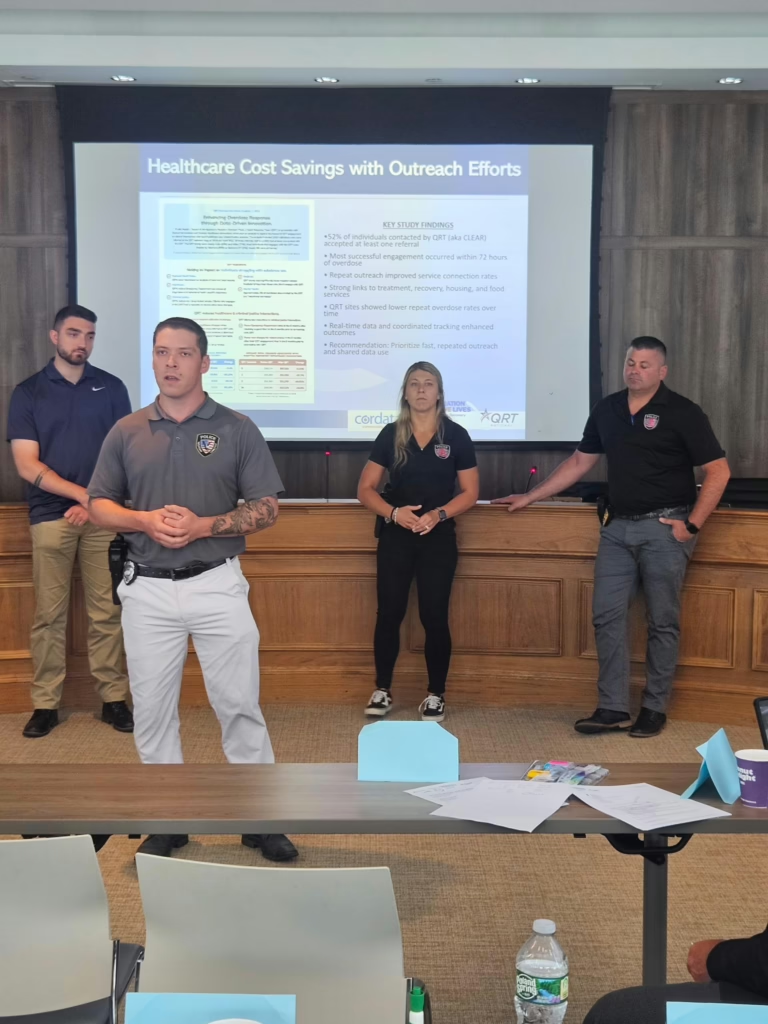
(Left) Norwalk CLEAR team members, Shayayla Parker, Officer Samantha Bardos, Sgt Ryan Evarts (Right) Torrington PD CLEAR team members Officer Vince Powell, Sgt Brandon Kelly
Media Contact:
Scott Allen, Cordata Healthcare Innovations, Inc
Executive Director, Community Engagement